


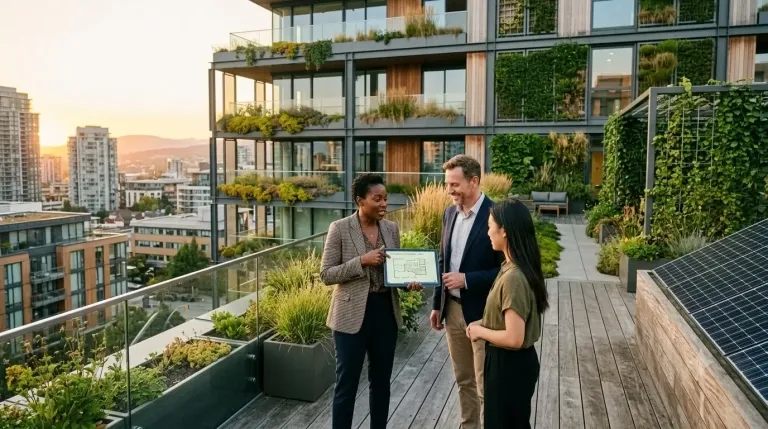
Why premium addresses lose value without resource security
Is municipal water dependence a threat to property yields?
The true test of a luxury property is not its launch price, but its performance during a municipal crisis. Across major Indian metros, premium residential enclaves routinely face severe water shortages, forcing homeowners associations to buy water from private tanker operators at exorbitant rates. This unregulated expense inflates monthly maintenance bills, directly eating into the net rental yield of investors.
When we design properties with advanced greywater recycling systems, dual piping networks, and deep rainwater harvesting pits, we eliminate this vulnerability. A building that recycles its waste water to meet flushing and irrigation demands reduces its municipal intake by up to forty percent. For a commercial landlord or a residential investor, this reduction translates to predictable, lower operating costs. You can explore how we implement these closed-loop systems across our latest projects by reviewing our dedicated page on sustainable initiatives.
Beyond water, energy security presents a massive financial hurdle. In regions like Delhi NCR, winter smog brings strict bans on diesel generators, leaving buildings without power backup unless they have clean solar microgrids. A luxury home that loses power because of local environmental mandates is a compromised investment. True luxury requires uninterrupted autonomy, which is only possible when a developer integrates clean energy generation from day one.
Navigating the regulatory shift in Indian luxury markets
Will your luxury building be legally compliant in ten years?
The regulatory environment for Indian real estate is changing at an rapid pace. The National Green Tribunal and state-level pollution control boards are increasingly shutting down construction sites and penalizing older buildings that fail to meet modern environmental norms. Investors who buy into projects designed with legacy construction practices risk facing massive retrofitting bills down the line.
National frameworks now favor properties that carry verified green building certifications. Whether it is an IGBC rating or a GRIHA certification, these badges are not merely plaques for the lobby; they are proof of compliance with upcoming municipal codes. Cities are beginning to offer fast-track approvals, property tax rebates, and even additional floor area ratio permissions to projects that meet high benchmarks for decarbonization.
If you invest in a project lacking these structural provisions, you are buying a liability. Retrofitting an existing luxury tower with solar panels, efficient waste management systems, and double-glazed windows is incredibly difficult and disruptive for residents. By choosing properties designed for long-term compliance, like those found in our portfolio of luxury villas, you ensure that future environmental mandates will not impact your asset value or result in punitive tax levies.
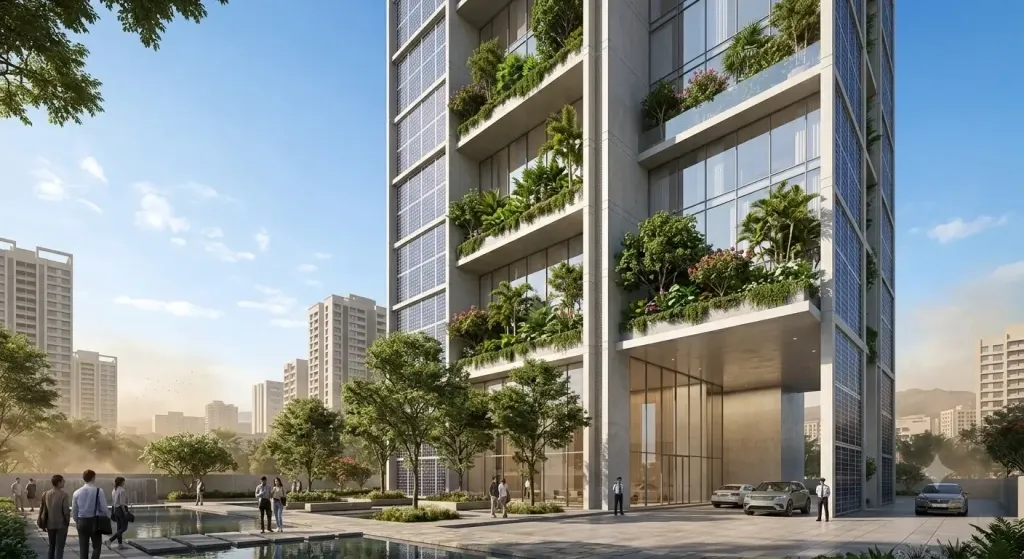
How sustainable real estate development guarantees capital appreciation
Do green properties command higher rental yields in India?
The corporate sector has already made its choice clear. Multinational tenants and high-value domestic firms have strict mandates to occupy only buildings that hold a LEED platinum or gold certification. They need these spaces to meet their global carbon reduction targets. If you own commercial office spaces that do not meet these specifications, your pool of potential blue-chip tenants shrinks dramatically. This dynamic is shifting the commercial market, making green buildings the default choice for institutional investors. You can read more about how this trend influences asset performance on our commercial spaces insight page.
In the residential sector, a similar shift is happening. Health and wellness have become central to luxury home buyers. High-net-worth individuals are willing to pay a premium for apartments equipped with centralized air filtration systems that filter out PM2.5 particles, low-VOC paint finishes, and superior acoustic insulation. These health-centric features provide a tangible shield against urban pollution.
The financial market is also responding to this trend. Major financial institutions now offer lower interest rates on home loans for certified green properties. This preferential lending rate lowers the cost of borrowing, which supports higher transaction volumes and faster resale times. This liquidity is a primary driver of capital appreciation, protecting your equity during market downturns.
Separating greenwashing from operational engineering
“A building is not sustainable because it features planters on the balconies. True sustainability is an engineering discipline, measured in kilowatt-hours saved, liters of water recycled, and metric tons of carbon avoided.”
Can you spot greenwashing before buying?
Many developers use green terminology as a marketing tool without making the necessary structural changes. They add superficial features, such as potted plants on the exterior walls, while using cheap, inefficient HVAC systems and low-quality insulation inside. This superficial approach fails to deliver the long-term cost savings that investors expect.
To verify a developer’s claims, look closely at the engineering specifications. Ask about the Solar Reflective Index of the roof materials, which prevents the building from absorbing heat and reduces the air conditioning load. Check if the glass windows are double-glazed with low-emissivity coatings to block solar heat gain while letting in natural light.
Review the capacity of the sewage treatment plant and verify if the recycled water is pumped back into a secondary plumbing line. True resource efficiency is built into the walls, the plumbing, and the electrical grids. It is not something that can be added as an afterthought once the building is complete.
Securing your legacy with future-ready assets
When you evaluate your next real estate acquisition, look past the initial aesthetic appeal. Consider how the building will perform when electricity tariffs double, when municipal water lines run dry, and when local governments impose strict carbon taxes.
When you invest in our premium projects, you choose a verified model of sustainable real estate development designed to withstand the resource pressures of the coming decades. Our focus on climate resilience ensures that your capital remains safe, productive, and highly sought after by future buyers. Take the first step toward securing a future-ready asset by visiting our current projects portal to explore our latest residential and commercial offerings.
Secure Your Capital with 99 Developers
Luxury is nothing without resource security. Align your investment portfolio with climate-resilient, high-performing developments designed for the next century of premium urban living.
Does a green building cost significantly more to construct?
While the initial capital expenditure for sustainable materials and advanced HVAC systems can be higher, the premium is typically low, ranging from two to five percent. This minor upfront cost is recovered within the first few years of operation through significantly lower utility bills and reduced maintenance expenses.
How do green building ratings like IGBC or LEED affect resale value?
Properties with certified ratings command a premium in the resale market because they offer documented proof of low operational costs and high-quality construction. Buyers are increasingly willing to pay more for homes that guarantee clean air, water security, and lower monthly maintenance fees.
What are the immediate savings in monthly maintenance fees?
Residents in sustainable developments often see a reduction of thirty to forty percent in their water and electricity bills. Systems such as solar water heaters, LED common lighting, and on-site water recycling keep community maintenance charges highly stable compared to conventional buildings.
Is retrofitting an older building to green standards practical?
Retrofitting is possible but often expensive and highly disruptive. It is far more cost-effective to invest in a property designed with green infrastructure from the start, as structural changes to plumbing, facades, and HVAC systems in an occupied building require significant capital outlays.
How does sustainable design protect against extreme weather in India?
Sustainable properties use thermal insulation, high-performance glass, and rainwater management systems to mitigate the impact of heatwaves and heavy monsoons. This structural resilience prevents water logging, reduces the load on cooling systems, and ensures the structural integrity of the asset over time.