



The yield compression trap in premium real estate
For the last decade, luxury residential projects in metropolitan micro-markets like Gurugram Golf Course Road, South Delhi, or Lower Parel in Mumbai have offered underwhelming rental returns. A typical premium apartment yielding a mere two to three percent annually struggles to beat inflation. High maintenance charges, steep property taxes, and lengthy tenant search cycles eat into these nominal gains. When a luxury tenant vacates, the landlord often faces three to six months of zero rental income while continuing to service high maintenance overheads.
In contrast, high-density residential properties in suburban employment corridors tell a completely different story. These micro-markets, situated near manufacturing zones, IT parks, and transit hubs, operate on a different financial plane. Rental yields here routinely hover between four and six percent. Because the entry ticket size is significantly lower, you can distribute your capital across multiple assets rather than locking it up in a single, illiquid luxury penthouse.
To understand this dynamic, consider the rapid expansion of suburban employment centers. Tens of thousands of young professionals and skilled workers migrate to these zones every month. They do not require private plunge pools or Italian marble flooring: they require clean, secure, well-ventilated spaces with reliable utilities and immediate transit access. By meeting this massive, non-discretionary demand, investors insulate themselves from the economic cycles that regularly freeze the high-end luxury market.
The operational blueprint of modern affordable housing developments
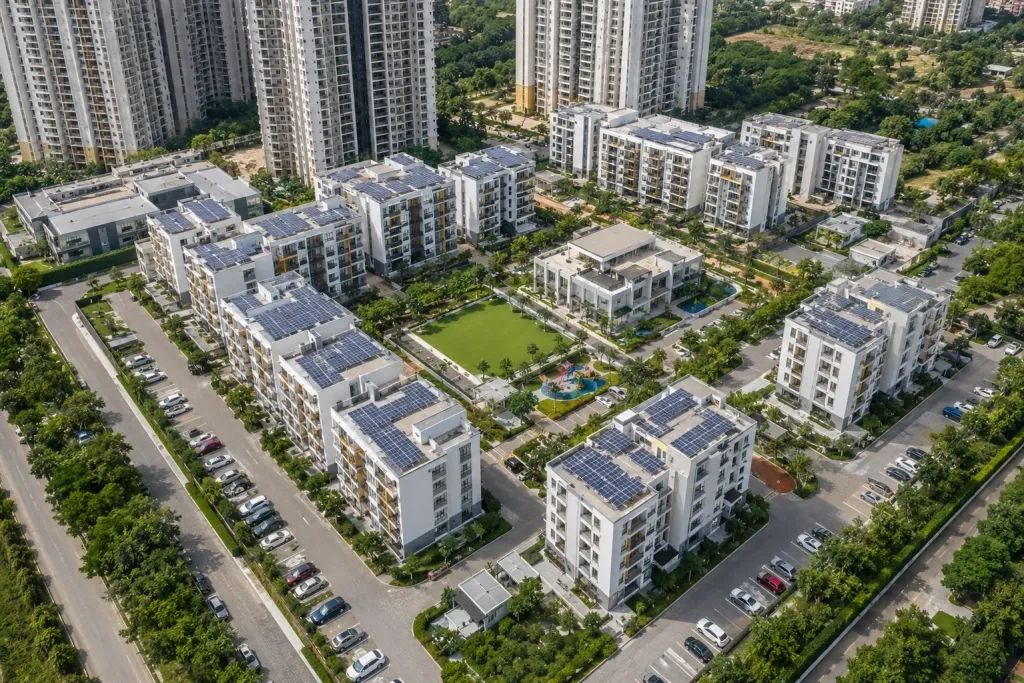
The term affordable once conjured images of poorly built, neglected structures on the fringes of the city. That perception is outdated. Today, modern construction technology and strict regulatory oversight have transformed the execution of these projects. High-quality developers now apply industrialized building methods to mass-market housing, creating assets that are durable, highly efficient, and remarkably low-maintenance.
Is localized infrastructure more critical than high-end amenities?
The short answer is yes. In luxury housing, buyers pay premium prices for clubhouses, spas, and extensive landscaping. In high-density housing, the value driver is utility infrastructure. Tenants in this segment prioritize reliable municipal water connections, dedicated power backup, and proximity to public transit lines. A project located within a ten-minute walk of an upcoming metro station or a major highway junction will command premium rents and experience minimal vacancy, regardless of whether it has a swimming pool.
Can you manage high-density rentals without operational friction?
Managing twenty individual tenants requires a different operational framework than managing one luxury tenant. Many institutional investors and HNIs hesitate to enter this space because they fear the administrative burden of rent collection, maintenance requests, and tenant turnover. However, the rise of professional property management platforms in India has solved this problem. By partnering with specialized asset management services, you can delegate day-to-day operations, ensuring seamless rent collection and automated maintenance tracking while enjoying truly passive income. You can learn more about how we streamline these processes by exploring our real estate advisory services.
The smartest real estate portfolios do not rely on speculative capital appreciation of single trophy assets. They rely on the predictable, recurring cash flows generated by meeting the essential housing needs of the working population.
How to scale a portfolio with high-density residential assets
To construct a resilient real estate portfolio, risk dispersion is paramount. If you invest five crores in a single luxury apartment, your rental income is binary: it is either one hundred percent or zero. If your tenant leaves, your income stream stops instantly, while your holding costs continue to mount.
By reallocating that same capital into ten or twelve well-located entry-level units, you distribute your vacancy risk across multiple independent tenancies. It is highly unlikely that all twelve units will fall vacant at the same time. This structural diversification ensures a steady, predictable baseline cash flow that can support debt service or fund other investment opportunities.
Beyond this, the exit liquidity for entry-level housing is significantly higher than that of the luxury segment. Finding a buyer for a multi-crore luxury property can take quarters, sometimes years, often requiring steep price discounts to close the transaction. Conversely, there is a constant, highly liquid secondary market for smaller, functional apartments. Whether you are selling to first-time homebuyers or fellow yield-seeking investors, these assets can be liquidated rapidly when you need to reallocate capital.
This liquidity is further bolstered by the growing interest of institutional buyers and real estate investment trusts. As these entities look to aggregate residential portfolios, well-maintained, high-density residential developments are becoming highly sought-after acquisition targets.
Secure your yield-producing real estate assets
Diversifying your holdings with high-density residential assets requires deep market intelligence, rigorous builder vetting, and a clear understanding of micro-market dynamics. At 99 Developers, we help sophisticated investors navigate this space, identifying high-performing affordable housing developments that deliver superior cash-on-cash yields and long-term capital preservation.
Do not let your capital sit idle in low-yielding luxury specs or volatile equity markets. Contact our private advisory desk today to explore curated acquisition opportunities in India’s fastest-growing employment corridors. Our team will provide a detailed, data-backed analysis of projected rental yields, infrastructure timelines, and exit strategies tailored to your investment objectives. Review our latest market insights and yield analysis reports to start building your resilient real estate portfolio.
Frequently asked questions
What is the typical rental yield for entry-level developments compared to luxury properties?
Entry-level residential assets in major Indian employment corridors typically yield between four and six percent annually. This is significantly higher than the two to three percent yields commonly observed in the luxury residential sector, where high maintenance fees and longer vacancy periods drag down net returns.
How does Mivan construction technology impact the long-term value of the investment?
Mivan technology uses monolithic concrete casting to eliminate traditional brickwork and plaster. This results in highly durable structures with superior resistance to dampness, seismic activity, and structural wear. For investors, this translates to a fifty percent reduction in long-term maintenance costs and sustained asset value over decades.
Are there tax benefits associated with investing in high-density entry-level housing?
Section 80-IBA of the Income Tax Act provided a 100% deduction of qualifying profits to eligible developers of affordable housing projects; it was not a direct tax deduction available to property buyers or investors. Importantly, the provision applied to qualifying projects approved between June 1, 2016 and March 31, 2022, subject to other prescribed conditions.
Therefore, investors should not assume that purchasing a new high-density or entry-level housing unit automatically provides a Section 80-IBA tax benefit. Any potential tax advantages should instead be assessed based on the project’s approval status, applicable tax provisions, ownership structure, and the investor’s individual circumstances. For a current investment, professional tax advice should be obtained before relying on any claimed tax benefit.
How do micro-markets affect the capital appreciation of these assets?
Capital appreciation in this segment is driven by infrastructure development rather than speculative demand. Projects located near upcoming metro corridors, arterial highways, and major industrial hubs experience steady, reliable appreciation as localized connectivity improves and tenant demand intensifies.
What is the average tenant vacancy rate in high-density developments?
Due to the massive demand for functional, affordable living spaces near employment centers, well-managed developments maintain vacancy rates below five percent. This constant demand ensures rapid tenant replacement, minimizing cash flow disruptions compared to high-end luxury rentals.